Attention must continue to focus on the practical measures that governments, businesses and industries can take to deliver meaningful progress.
COP31 ended without a deal, as disagreements over fossil fuels overturned hopes of an agreement. While this marks a disappointing outcome, the work of tackling climate change cannot depend on international negotiations alone.
For the real estate industry, the challenge is twofold: reducing emissions from buildings and construction, while adapting to a changing climate. Both are essential if the sector is to contribute to wider climate ambitions, protect value and remain resilient over the long term. There is still a significant opportunity for the industry to turn ambition into action.
Improving the environmental performance of buildings
Improving building energy performance is one of the most direct ways real estate can contribute to climate goals. Better insulation, more efficient heating and cooling systems, renewable electricity and smarter building management can all help reduce operational emissions.
This was a key focus of COP31, with the Antalya Compact for Energy Efficient Buildings setting out an ambition to reduce the operational energy intensity of the global building stock by at least 25% by 2035, compared with 2020 levels, and accelerate electrification. The voluntary initiative aimed to encourage improvements in building performance and mobilise investment.
There are encouraging examples of what is already possible, with improvements to existing buildings demonstrating that significant gains in energy efficiency and operational performance can be achieved. This is becoming increasingly important in the UK, with the Government confirming a target of EPC B for commercial property by 2031 under the Minimum Energy Efficiency Standards (MEES).
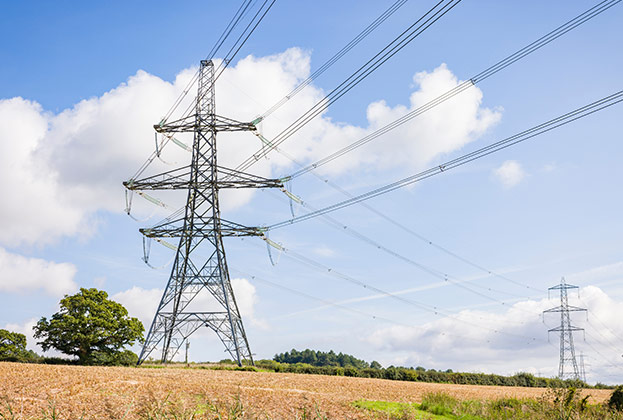
Beyond reducing emissions, electrification can also improve energy security. Recent geopolitical tensions and energy-price shocks highlight the importance of limiting exposure to volatile fossil-fuel markets. Savills research into private-wire renewables, for example, illustrates how solar generation and battery storage could help industrial and logistics occupiers secure more predictable electricity costs, reduce dependence on grid supplies and accommodate growing power requirements.
The challenge is accelerating improvements across the wider building stock. Analysis prepared for COP31 by the International Energy Agency found that achieving the proposed 25% improvement in global building energy intensity by 2035 would require more than doubling the current rate of progress.
Regulation is helping to increase the pace of change in some markets. The EU's revised Energy Performance of Buildings Directive requires new buildings to meet zero-emission standards from 2030, while introducing requirements for solar installations on suitable commercial buildings.
Preparing buildings and cities for a changing climate
The industry must also prepare for the physical consequences of climate change. Extreme heat, flooding and water scarcity are already affecting cities, while an exceptionally strong El Niño could intensify weather-related risks into 2027.
For property owners, climate resilience needs to become a more consistent consideration in investment and asset management. Buildings may require improvements to cooling, ventilation, shading and water efficiency to protect their long-term value.
But resilience cannot be addressed building by building. Urban greening, tree planting and sustainable drainage can help reduce temperatures, manage rainfall and improve public spaces. These measures are particularly important in densely developed cities, where limited green space and extensive hard surfaces can amplify extreme heat.
Turning urban climate resilience priorities into funded projects remains a significant challenge. A new financing initiative formalised during COP31 - the Sustainable Urban Resilience Financing Facility - aims to help cities develop investment-ready resilience projects and access existing sources of finance. By addressing barriers to funding, it could support wider investment in measures such as flood protection and greener urban infrastructure.
For property owners, developers and local authorities, the priority is to incorporate climate adaptation earlier in investment and development decisions, recognising that resilience often depends on infrastructure and public spaces beyond individual buildings.
What happens now?
The absence of an agreement at COP31 should not prevent progress on the climate agenda. Real estate can continue to build on existing achievements, scale up proven solutions and embed emissions reduction and climate resilience into how property is developed, upgraded and managed. By focusing on practical and measurable action, the industry has an opportunity to help maintain momentum and demonstrate what can still be achieved.
About the authors
David Jackson leads Savills Earth, which provides services in sustainable consultancy to clients, adding lasting value to the community and our planet.
Sarah Brooks is part of Savills World Research, supporting developers, occupiers and policymakers make more environmentally and socially responsible real estate decisions through data, intelligence and analysis.