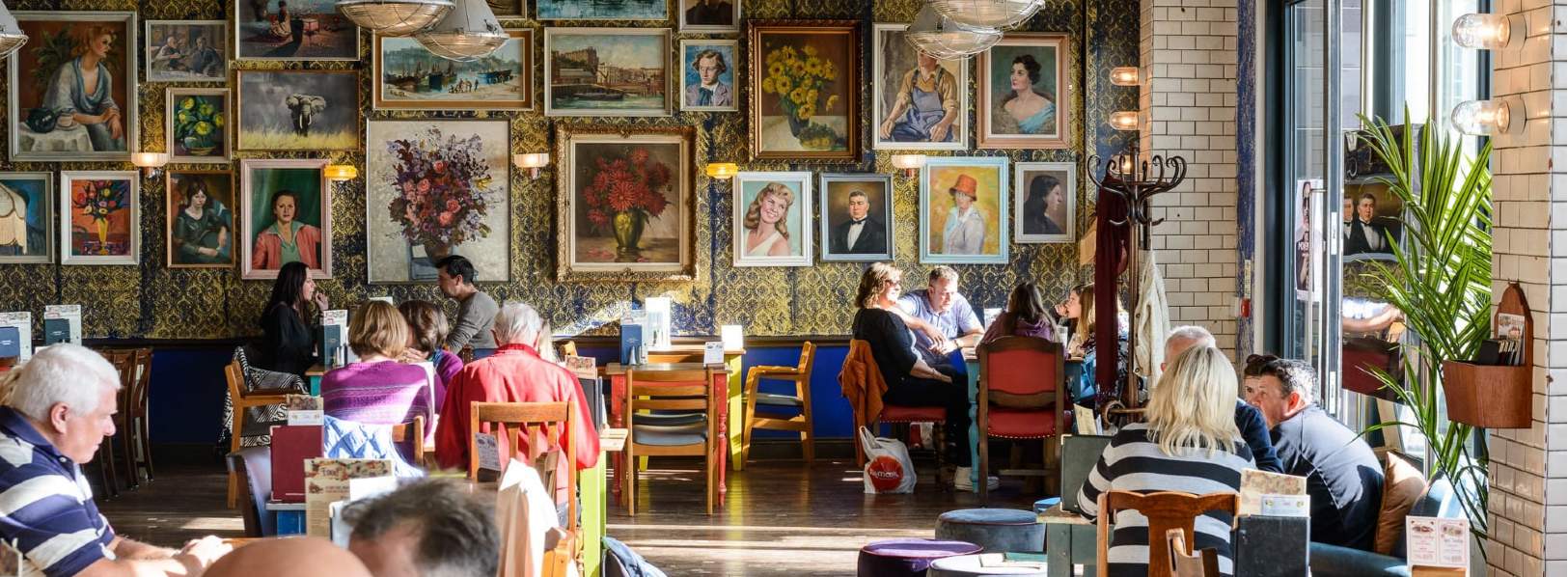
The rapid change to consumer behaviour has been closely aligned with the growth and influence of social media.
Queues for matcha at Blank Street, photo ops at Joe & The Juice and even bouncers managing celebrity-endorsed chicken shop queues in Glasgow highlight how hype can quickly mobilise consumers. Starbucks’ limited edition bear cup release in early 2026 used social channels to intensify visitor behaviour, indicating that hype can be both mainstream and niche.
In the UK, a third of consumers indicate having tried a new drink because it looked good on social media and around half use platforms to search for venues. Consequently, 82% of UK hospitality brands use Instagram for marketing, with 40% reporting increased customer engagement in the past year (Doublepuc). Maki & Ramen has described reaching 800,000 to 900,000 social media accounts each week and engaging with multiple influencers to launch each new opening and increase reach.
The impact extends beyond online engagement. Viral TikTok posts have reportedly increased footfall by 65% for some hospitality businesses. For landlords, the right socially savvy occupier can effectively become a marketing channel for the wider destination, generating footfall, dwell time and visibility beyond its own pitch.
Social media can also compress the time required to build a brand. A single-site operator can develop the profile of a much larger business before its physical estate catches up. Coffee and cocktail operator Kloud Concept has described influencer activity generating interest in locations before it has even opened there.
But hype is not simply about the mechanism that creates it. Its more interesting legacy is what happens when the trend becomes a habit.
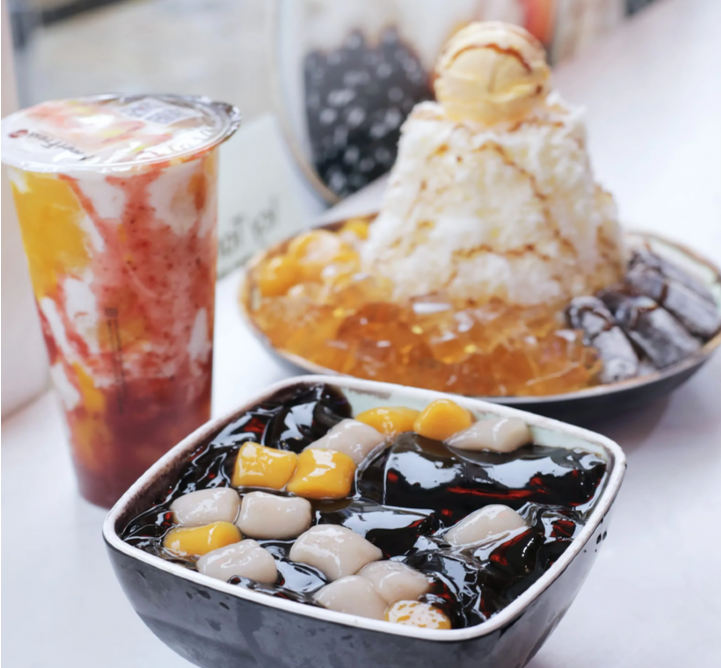
The matcha craze is a particularly prominent example of how hype can move from a short-term craze towards having a longer-term impact. Squareup recorded 1.6 million matcha drinks sold through just over 2,100 UK sellers in just two months during summer 2025. What started as a highly visual, social-media-friendly product has moved rapidly into the mainstream. Costa Coffee reported selling one matcha drink every four seconds following its nationwide launch in January 2026.
Whether that growth rate is sustainable is another question. Supply pressures, greater competition and the inevitable arrival of the next viral flavour will take some heat out of the market. But matcha’s legacy may prove more enduring than the hype. It has helped extend the traditional coffee occasion into the afternoon, demonstrated consumers’ willingness to pay a premium for innovative drinks and shown how rapidly digital traction can translate into physical footfall and occupier demand.
Matcha is likely to endure, but the hype-train will move on to other formats and promote the venues of other brands. Landlords need to consider the agility and adaptability of their tenants, while the enduring challenge for operators is how to stay fresh and appealing once consumers move on to something new.
Viral TikTok posts have reportedly increased footfall by up to 65%
Read the articles within Spotlight: Food and Beverage Property Insights - Market & location drivers of growth edition below.