

Against that backdrop, Bristol stands out as the right environment for independent operators to grow. Its strength lies in the breadth of its ecosystem: a city made up of distinct locations, each with its own character, customer base and role.
Independent retail and leisure brands are playing a bigger role in shaping UK cities, helping destinations stand apart and giving people more reasons to visit and stay longer. According to Savills research, emerging brands could open around 12,000 additional stores across the UK over the next three to five years.
Gloucester Road: a ready-made independent ecosystem
Few places capture Bristol’s appeal more clearly than Gloucester Road, widely regarded as one of the longest continuous stretches of independent shops in the UK. Its strength lies in volume and variety: cafés, bookshops, food stores, lifestyle retailers and long-established local businesses sit side by side.
St Nicholas Market: where concepts are tested and built
‘St Nick’s’ demonstrates the importance of entry-level space. Established in 1743, the market is home to Bristol’s largest collection of independent retailers and remains one of the city’s best-known food destinations. Its permanent traders and evolving street food offer give smaller operators a platform to test concepts in a high-footfall environment, often before taking on more traditional high street space.
Park Street: trendy boutiques
Park Street has long been central to Bristol’s eclectic retail identity. Visit Bristol highlights its strong mix of trendy boutiques, while recent openings such as Nudie Jeans underline the street’s continued appeal as a natural home for distinctive, fashion-led brands.
Wapping Wharf: the strength of curation
Wapping Wharf has built a strong reputation as an exclusively independent destination with around 45 independent shops, bars and eateries. That offer ranges from operators such as BOX-E, Bookhaus, Better Food and Cargo Cantina. It is a strong example of how placemaking, high-quality independent occupiers and a distinctive waterside setting can combine to create a destination that works throughout the day and into the evening.
North Street: where culture translates into commerce
North Street is another example of Bristol’s ability to turn local character into commercial momentum. The area’s street art scene has long been part of its appeal, and Upfest, described as Europe’s largest street art festival, continues to reinforce that identity. The Tobacco Factory has been central to that story, positioning itself as a champion of independent local business and as a cultural anchor for the area.
Clifton Village: a polished but still distinctive mix
Then there is Clifton Village, which adds another layer to Bristol’s offer. The area is known for its mix of independent boutiques, artisan shops and luxury lifestyle stores, with locations such as Clifton Arcade providing a concentrated cluster of small independent businesses. That blend is its strength: more aspirational in tone, but still rooted in character and individuality.
What Bristol demonstrates particularly well is that successful independent retail is rarely about a single street or one dominant destination. It is about a wider network of complementary places — some more established, some more experimental, some more aspirational — that together make the city appealing to both operators and consumers. As the next generation of retail and leisure brands looks for room to grow, Bristol offers something increasingly valuable: a city where identity is not manufactured, but built into the fabric of the place.
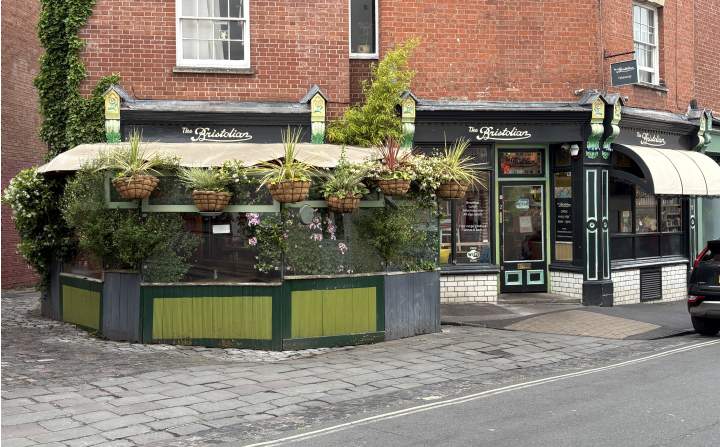
Take a look at some of Bristol’s most appealing retail and leisure locations:

Bristol Waterfront



.jpg)
.jpg)

.jpg)
.jpg)
.jpg)
.jpg)
.jpg)
