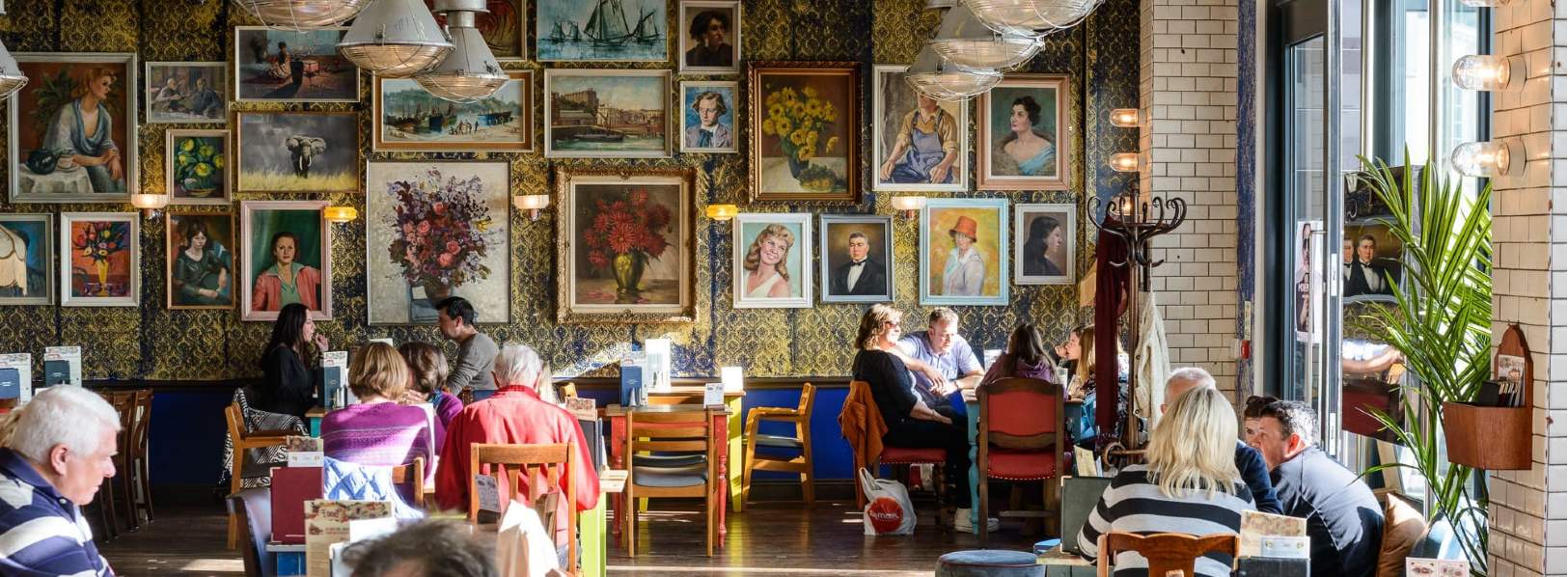
Capital is once again fuelling expansion across the UK food and beverage market, but the lessons of the last casual-dining boom have not been forgotten.
Domestic investors in particular remain mindful of the over-expansion that preceded a wave of restructuring and failures over the last decade, particularly in the casual dining sector. As a consequence, growth capital may be available, but its deployment has tended to be more strategic and measured.
That doesn’t mean expansion has slowed across broad F&B categories. Instead, the sources of capital have also broadened. Private equity and institutional investment sit alongside debt facilities, franchising and master-franchise agreements, landlord contributions and profits reinvested from established sites.
Increasingly, international capital is adding another dimension, particularly within QSR and other scalable F&B formats. US brands remain amongst the best-capitalised globally with restaurants and bars representing a third of US capital deployed across European cross-border consumer sectors.
The scale of investment can be significant. In August 2026, Blank Street Coffee secured a $75 million funding round to help propel its European rollout. In 2025, Popeyes secured a £43m facility from Barclays to support growth of 25 UK sites. There are also signs of greater investor appetite across the established restaurant market. UK restaurant-group M&A increased from 16 transactions in 2023/24 to 30 in 2024/25, an 88% rise. In late 2024, US investment firm Sixth Street acquired a major stake in Wingstop’s UK and Ireland operation, valuing the business at more than $400m, since when the QSR brand has opened a further 50 UK sites.
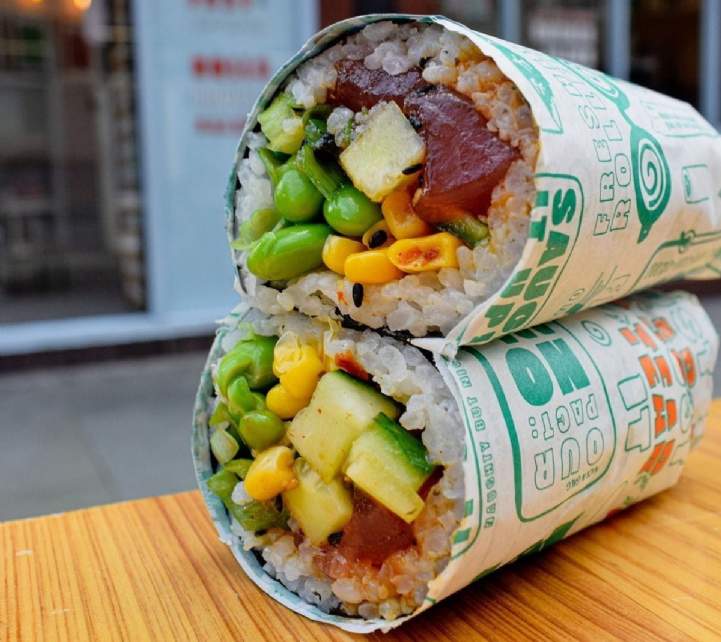
Yet the legacy of the last expansion cycle provides an important note of caution. Growth in itself is not evidence of a sustainable model. Franco Manca's decision to close 16 restaurants in 2026, having previously identified more than 125 potential locations for expansion, is a timely reminder of the risks of expanding into markets that are oversaturated or undersized.
The challenge comes when estate growth begins to run ahead of the customer base, operational infrastructure or economics supporting it. This is particularly relevant as competition for prime QSR and F&B space intensifies. Just accounting for chicken based QSR, there are more than ten well-funded North American brands seeking expansion in the UK, let alone demand being seen in other segments. This is likely to drive rental growth in the best pitches, similar to that seen in the drive-thru market in recent years. While this could come at the expense of diversity in the sector, the influx of investment into UK hospitality is positive given well reported operational challenges.
The challenge comes when estate growth begins to run ahead of the customer base, operational infrastructure or economics supporting it
Read the articles within Spotlight: Food and Beverage Property Insights - Market & location drivers of growth edition below.