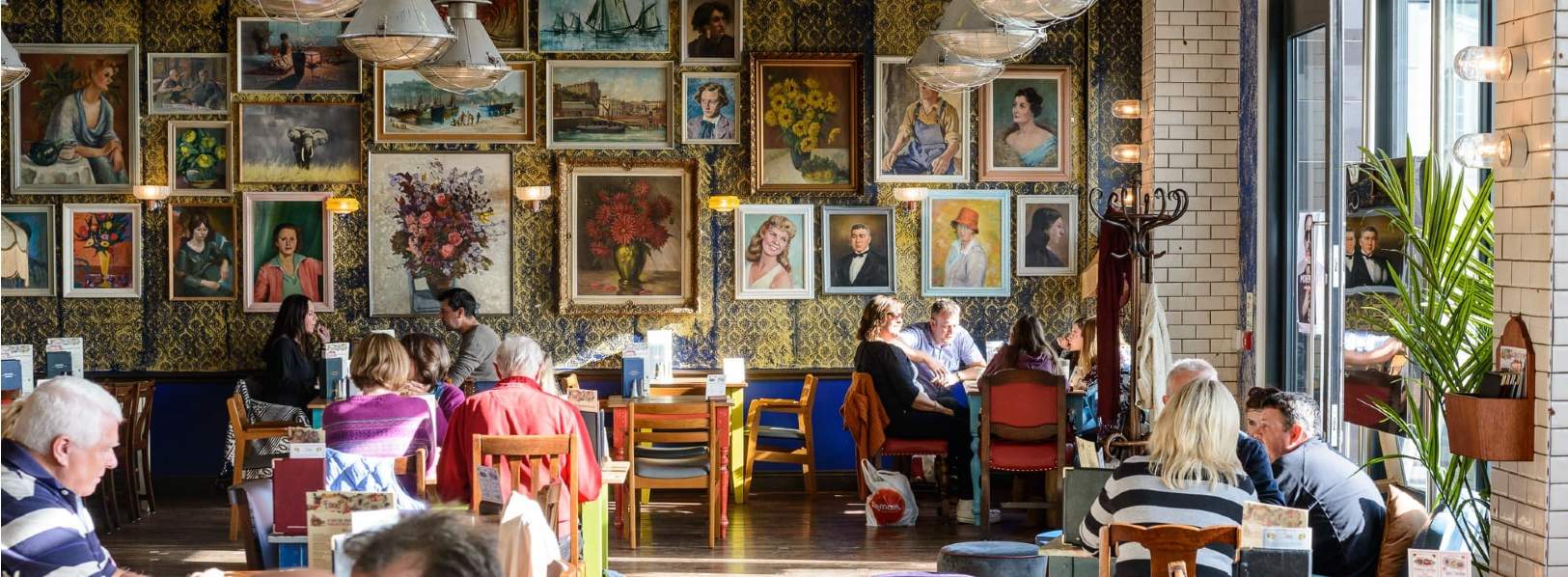
Geopolitics and the ongoing cost-of-living squeeze continue to weigh on consumer confidence, but the question for F&B is whether demand is growing, shrinking or simply shifting.
Recent spending suggests it’s the latter. Barclays recorded 3.3% year-on-year growth in hospitality and leisure spending in August 2026, ahead of the 2.1% increase across overall consumer card spending. Yet 85% of consumers remained concerned about household bills and inflation.
Consumers are spending more on F&B than historically, but headline growth disguises the impact of inflation on margins. Much of the increase in expenditure has been absorbed by higher prices, while operators have faced rising food, energy and staffing costs. Consumers may be spending more, but operators are not necessarily making more. Efficiency has therefore become the key to resilience, helping to explain why cafés, QSR and grab-and-go have been on a growth trajectory, while more operationally intensive casual dining formats have had to work harder to drive performance.
Arguably the biggest change in consumer behaviour mirrors that seen across retail more widely; we want value and convenience most of the time but are prepared to pay for indulgence and experience when the occasion warrants it. A £15 lunch can feel excessive one day, while justified the next. Value is therefore less about just being affordable and more about feeling that what was paid was worth it in that moment.
This is polarising the market. Time-poor consumers support convenient, habitual formats, while destination dining and distinctive experiences provide reasons to trade up. The squeezed territory lies somewhere between the two. Successful restaurant operators need a clear identity, strong product and a compelling reason to visit, particularly when consumers have more choice but potentially fewer dining occasions. This puts large footfall locations at a distinct advantage over smaller markets where loyalty cannot be guaranteed.
Demographic change is accelerating this shift. The 25-34 age group accounted for 24% of eating-out occasions in Q1 2026, gaining 1.5 percentage points year-on-year, while 55-64-year-olds lost share. Eating-out frequency increased by 5.9% year on year in Q2 2025, with growth also led by 25-34-year-olds, according to Lumina Intelligence’s Eating and Drinking Out Panel.
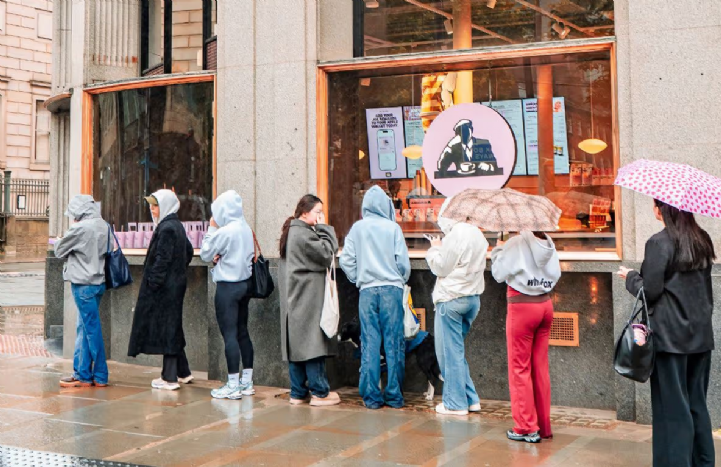
Younger consumers are not simply replacing older diners like-for-like. Their F&B spend stretches across multiple touchpoints. Delivery and pre-ordering increasingly blur the distinction between physical and online F&B, just as ecommerce did in retail, with click and collect accounting for 40% of QSR sales. Collection is often incentivised, which is more profitable for brands than delivery, while increasing customer engagement and loyalty. Stores remain important, but they now form part of a wider ecosystem of consumption, discovery and fulfilment.
The growth of home delivery is also a major feature. Food delivery is now worth almost £15bn annually in the UK, equivalent to around 14% of the total eating-out market, with the channel continuing to grow ahead of the wider foodservice sector. However, the impact in food service is nuanced because home delivery can top up restaurant/QSR sales or increase brand exposure. Coco di Mama has used home delivery to trial new markets before they had established store presence in these locations.
Health preferences could shift demand further. Around three million UK adults currently use GLP-1 medication, with around 80% of users aged 25-54. By comparison, around 3% of Britons followed a vegan diet at the end of 2025. In the last decade, veganism has prompted significant menu innovation across the F&B market.
The potential ramifications of GLP-1, which has already reached 4% of the population, could be greater still, from portion sizes and protein-led menus to the economics of snacking and smaller plates. Amongst users, there has been a marked reduction in demand for nutrition poor food and a marked increase in nutrition rich foods.
The consumer story is therefore not that everyone is simply eating out more. Demand is fragmenting across people, occasions and formats. Convenience and value remain critical, but so do novelty, authenticity and experience. Growth prospects remain available but needs to be earned.
Consumers want value and convenience most of the time but are prepared to pay for indulgence and experience when the occasion warrants it.
Read the articles within Spotlight: Food and Beverage Property Insights - Market & location drivers of growth edition below.