
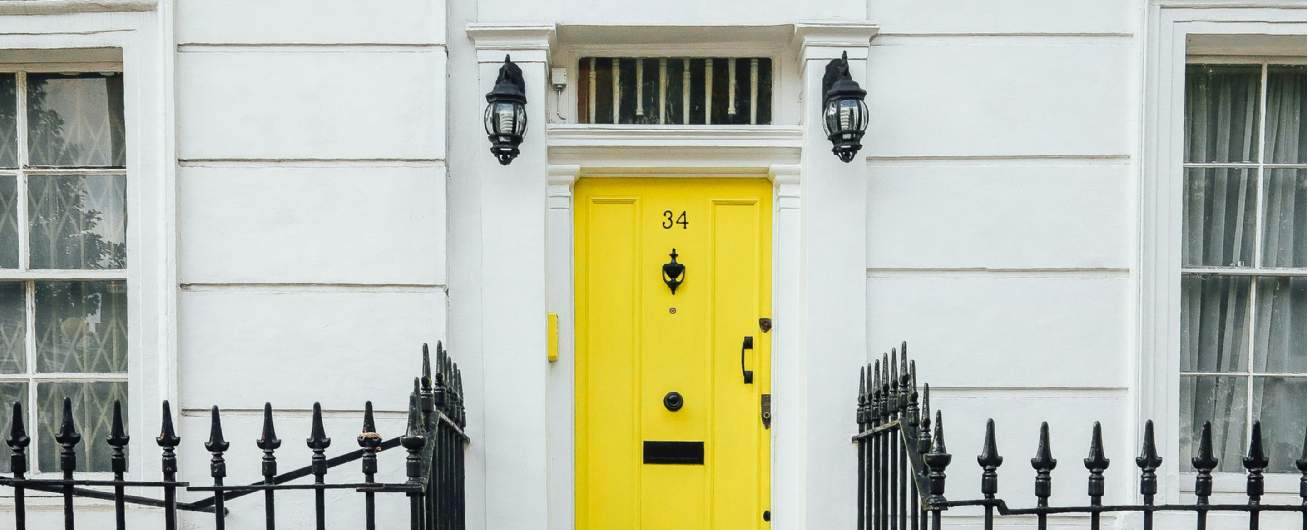
Regular property maintenance is one of the best ways to protect your investment, reduce unexpected repair costs and provide a safe, comfortable home for your tenant.
As we move towards the colder months, it's a good time to think about preventative maintenance. Many common issues, including damp, mould and heating problems, tend to become more noticeable during autumn and winter.
PREPARING FOR WINTER
A few simple checks can help avoid costly problems later:
- Service the boiler and heating system.
- Test smoke and carbon monoxide alarms.
- Clear gutters, downpipes and drains.
- Check roofs, external walls and seals around windows and doors.
- Ensure extractor fans are working properly in kitchens and bathrooms.
Taking action early can help prevent water ingress, condensation and avoidable breakdowns during the winter months.
DAMP AND MOULD: A GROWING AREA OF FOCUS
Few issues in residential property have received more attention in recent years than damp and mould.
Whilst landlords have always been responsible for ensuring properties are free from serious hazards, forthcoming changes linked to Awaab's Law will place greater focus on how quickly concerns are investigated and resolved.
The Government intends to extend Awaab's Law into the private rented sector as part of the wider Renters' Rights Act programme. Although implementation dates remain subject to consultation, the direction of travel is clear: landlords will be expected to investigate hazards, including damp and mould, within prescribed timescales and address underlying causes where remedial works are required.
Damp and mould remain one of the most common causes of tenant complaints.
Typical causes include poor ventilation, water ingress, leaks, insufficient heating and structural defects. Importantly, mould is usually a symptom rather than the root cause, meaning simply cleaning affected areas rarely provides a long-term solution.
WHAT YOU SHOULD DO
If damp or mould is reported:
- Investigate promptly.
- Identify the underlying cause.
- Seek professional advice where necessary.
- Maintain clear communication with your tenant.
- Re-inspect after any works have been completed.
Regular inspections and prompt attention to maintenance issues can prevent many problems from escalating. Whether preparing for winter or responding to a maintenance concern, early intervention is almost always more effective and less costly than dealing with a prolonged problem later.