

St John’s Wood residential property market: research and insight on residential values, trends and forecasts
St John’s Wood is an affluent north London neighbourhood with a distinctly residential, family-oriented appeal, while still conveniently located for the commercial and entertainment hubs of central London. It is characterised by large detached and semi-detached homes, from the Georgian period onwards, as well as proximity to the lush, green space of Primrose Hill and Regent’s Park.
Local prices
The average price paid for a second hand property across the wider borough of Camden reflects the high values commanded locally in St John’s Wood. In the 12 months to July 2024, this was £1,155,040, only 3% shy of the average achieved in the more central neighbouring borough of Westminster over the same period (£1,600,559). It was also higher than any of the average second prices achieved across the other surrounding boroughs of Brent (£704,332), Barnet (£787,751), Haringey (£738,444), Islington (£865,745).
Average second hand sale price, 12 months to July 2024
As a location, St John’s Wood which is broadly captured by the postcode district NW8 and the postcode sector of NW1 4, has outperformed the borough as a whole in terms of pricing over the year to July 2024. The average resale price in the area was £2,300,814, nearly 100% higher than across Camden as a whole. NW8 6, which includes Acacia Road and St Johns Wood Terrace was the most expensive neighbourhood, commanding an average resale value of £3,833,058, followed by NW1 4 at £3,721,175, which covers the enclave of grand homes within Regent’s Park and its immediate border. These neighbourhoods represent highly discretionary markets, so the averages are based on a relatively small number of high value sales (30 in NW8 6 and 20 in NW1 4).
Average second hand house price, by postcode sector
Prime sales market
Uncertainty among buyers and sellers in advance of July’s General Election was prolonged by a cautionary overture to the upcoming Autumn Budget, as the new Chancellor, Rachel Reeves sought to plug the so-called £22bn fiscal ‘black hole’. Soundbites from the highest levels of government pointed towards a ‘painful’ set of announcements, targeting ‘those with the broadest shoulders’.
Consequently, price growth was muted across prime London, falling marginally by -0.1% on a quarterly basis in Q3. This was also borne out in St John’s Wood where prices remained flat and in the wider North West London which also experienced a decrease of -0.1%.
August also saw the first base rate cut since the onset of the pandemic, with a further cut at the start of November, which stimulated movement in the mortgage market and allowed borrowers to benefit from better deals. While a prestigious location like St John’s Wood is weighted towards cash buyers, which accounted for 66% of sales in the 3 years to October 2024, mortgaged buyers are still very much active in the local market, representing the remaining 44%.
Indeed, with UK buyers accounting for 45% of sales over the same period, the largely domestic, needs-based market in St John’s Wood are drawn to large, spacious homes in close proximity to distinctive parkland and attractive canals. As a result, affluent families seeking to upsize accounted 44% of buyers over the 3 year period and this has been reflected in the relative resilience of houses in the local area, where prices have grown by 6.7% since the start of pandemic.
Prime lettings market
As the letting market continues to cool following the elevated price growth experienced in the wake of the pandemic, traditional seasonal patterns are gradually re-establishing themselves. This in conjunction with the balance between supply and demand coming into closer alignment and affordability pressures has caused rental price growth to contract across St John's Wood and prime London as a whole.
Consequently, quarterly rental price growth in St John's Wood has fallen to 0.6% in Q3 2024, down from 1.7% in Q3 2023. A similar dynamic has played out across prime London as a whole, with quarterly price growth down to 0.5% in Q3 2024, compared with 1.5% the previous year.
In the third quarter, price growth for smaller properties across prime London was boosted by a return to seasonal patterns and demand from more needs-based renters, such as young professionals. St John’s Wood was no exception to this trend.
Outlook
While the impact of the Budget may not have been as seismic as some had feared, the surprise introduction of a 2% surcharge to the higher rate of SDLT for second homes, combined with the unwinding of the ‘non doms’ tax status may cause some buyers to take stock and consider their position. This will feed into continued price sensitivity at higher price points, but many home-owners will have taken advice well in advance of these announcements. Furthermore, many globally-mobile high net worth individuals will still want to retain a base in London.
In the lettings market, affordability will continue to a primary concern and realistic pricing will be crucial to enticing and retaining the right tenants. Changes to SDLT rates may place upward pressure on rents at some price points and may further dissuade new landlords from entering the market where supply will remain limited. Again, aligned expectations between applicant and landlord will help secure tenancies and minimise void periods as we enter the quieter winter months.
Savills St John’s Wood track record
Six properties we sold and let in your area
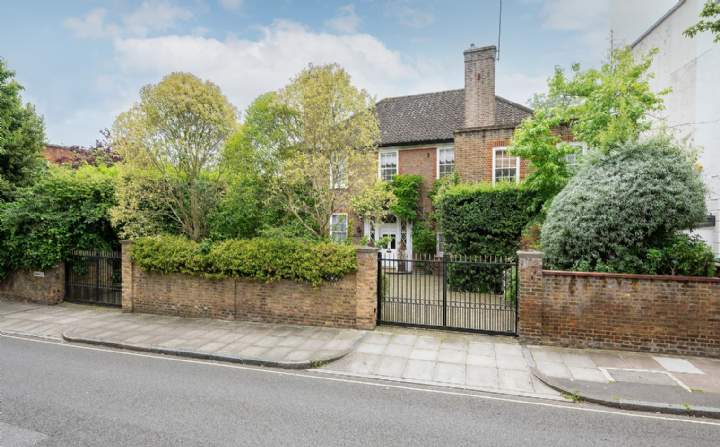
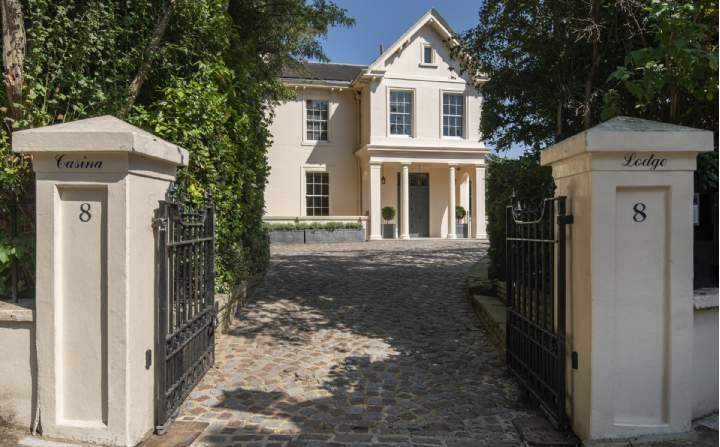
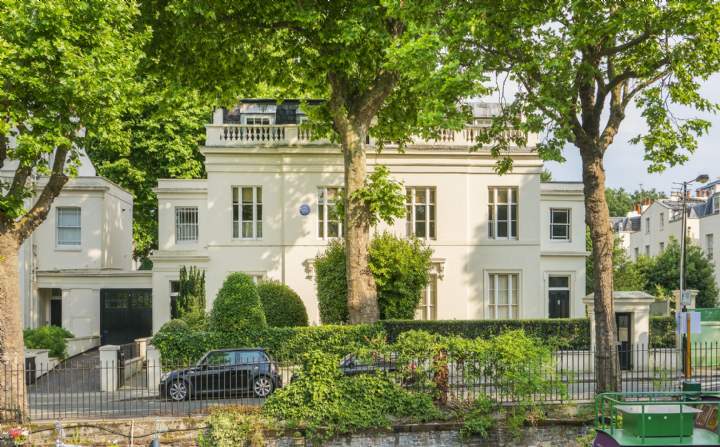
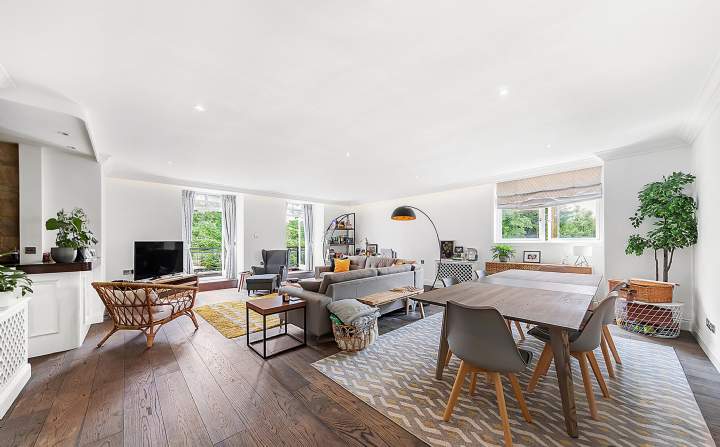
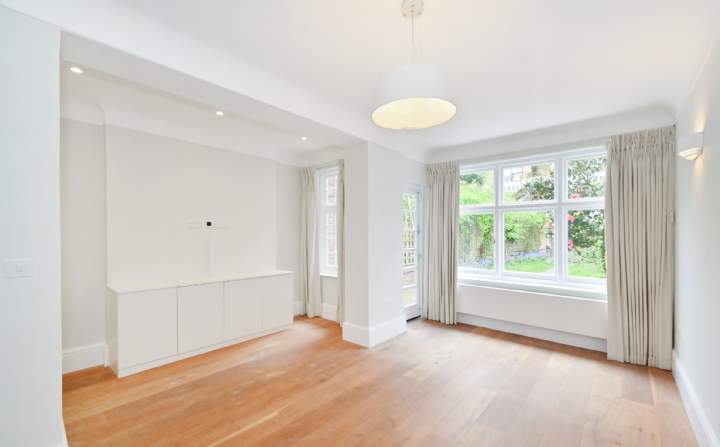
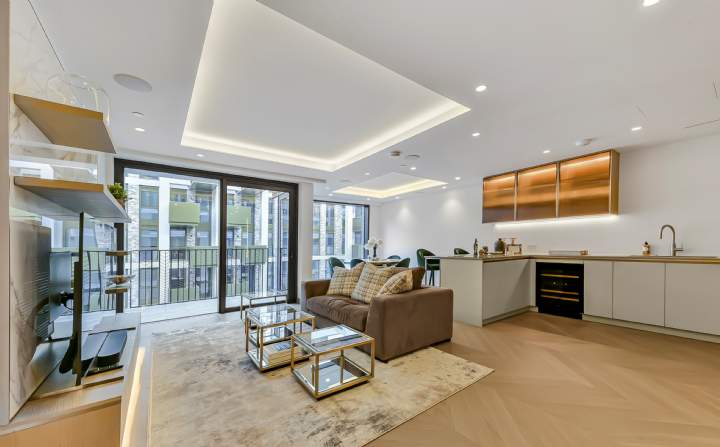
LET
St. John's Wood Road
Guide letting price £2,908 per week