The UK’s EV (Electric Vehicle) charging landscape has entered a decisive phase of transformation, moving from hasty but uneven expansion to a more disciplined, commercially sustainable trajectory.

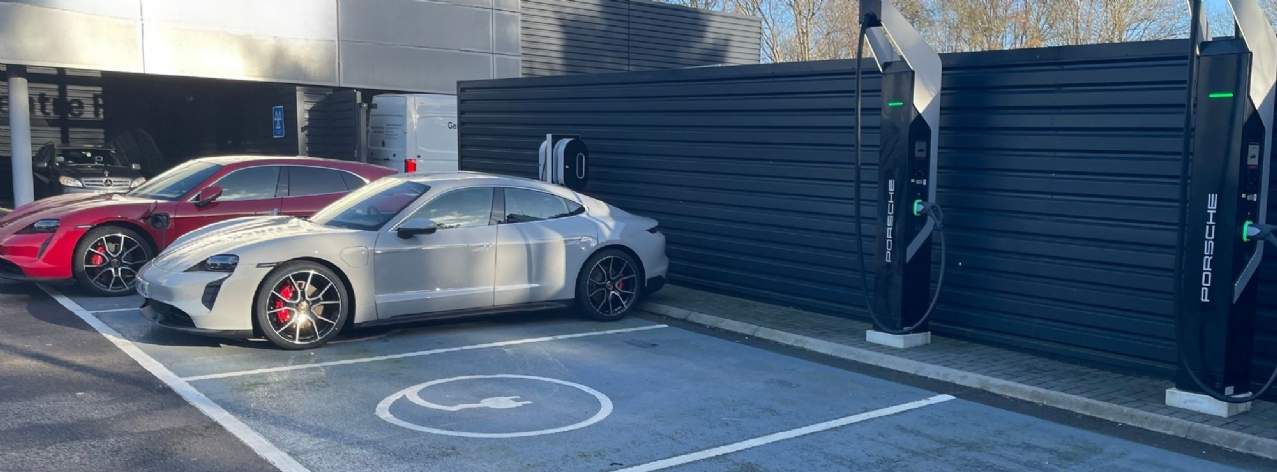
The UK’s EV (Electric Vehicle) charging landscape has entered a decisive phase of transformation, moving from hasty but uneven expansion to a more disciplined, commercially sustainable trajectory.
This re‑alignment is occurring against a backdrop of heightened geopolitical tension, including the ongoing conflict in the Middle East, which has reintroduced volatility into global energy markets and renewed focus on energy security. New data indicates the public charging network surpassed 118,000 chargers by February 2026, reflecting sustained national investment and accelerating consumer adoption. This commentary takes a deeper look at how market correction, consolidation among operators, evolving technological solutions, and favourable tax developments for charging are reshaping the sector’s long‑term outlook.
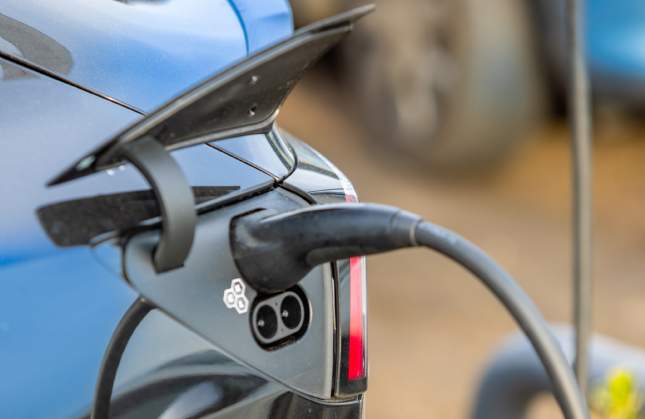
The UK’s public charging network has grown at its fastest rate to date, reaching 118,321 chargers by February 2026. The transition to counting EVSE (Electric Vehicle Service Equipment) chargers provides a clearer picture of true infrastructure scale, with rapid and ultra-rapid chargers now representing a substantial share of charging capacity. This growth brings the charging ecosystem closer to the reliability and accessibility expected from traditional petrol stations, marking an era where infrastructure is finally catching up with ownership trends.
The surge in rapid and ultra rapid charging represents the UK network’s transition from basic coverage to high performance national infrastructure. According to Zapmap, with over 9,800 ultra rapid chargers now in operation and utilisation far outpacing all other device types, these assets are becoming the backbone of the public charging ecosystem. Their expansion, up 41% in 2025, shows how operators are reorienting around profitability, throughput and the delivery of charging experience that is more competitive with combustion engine refuelling. As battery buffered solutions and emerging flash charging technologies come online, ultra rapid hubs will define the next decade of UK EV infrastructure.
Recent geopolitical developments in the Middle East are also influencing consumer behaviour. Analysis from Auto Trader shows a sharp rise in EV interest following regional military escalation, with searches for electric vehicles increasing as concerns over fuel price volatility and energy dependency intensify. This pattern reinforces EVs’ growing appeal as a hedge against geopolitical risk, supporting medium term demand for both vehicles and the public charging infrastructure required to serve them.
Market rent correction
Following a high-intensity land-grab phase between 2022 and 2024, rental levels have undergone a necessary recalibration. Peak rents of £5,500–£6,000 per bay per annum have now corrected to a more sustainable £3,000–£4,000 range. This adjustment reflects a maturing sector where financial realism, rather than aggressive expansion, actually drives delivery. For landlords, this shift creates more dependable, long term income, while operators gain breathing room to invest in grid improvements, charging hardware enhancements, and customer experience.
Consolidation of charging operators
The UK market is witnessing a wave of consolidation as operators seek scale and deliverable portfolios. Recent acquisitions such as the Be.ev absorption of Norwegian Sovereign Fund-backed Mer Charging have reshaped the competitive landscape, pushing the industry towards fewer but more capitalised providers. This mirrors trends seen in telecoms and utilities markets, where consolidation ultimately strengthened national infrastructure. Industry experts forecast a consolidation down to 5 or 6 operators over the next 10 years or so. The result is a more stable ecosystem, better aligned with the capital-intensive nature of rapid and ultra-rapid charging deployment.
Grid capacity constraits and new solutions
Grid availability remains the most significant barrier to fast deployment. Reinforcement costs, long DNO (Distribution Network Operator) lead times to obtain a grid connection and regional substation constraints continue to restrict network expansion. Yet, innovation is turning this challenge into a catalyst for smarter infrastructure. Battery storage systems, hybrid solar-plus and storage solutions and dynamic load balancing now allow operators to install high-power chargers even in grid-constrained locations. These technologies mark a shift towards resilience, reducing dependence on traditional grid upgrades and enabling more reliable nationwide coverage.
The introduction of large scale battery storage at charging hubs is unlocking new commercial models. Operators are increasingly using batteries to buy electricity when prices are low and deploy it during peak demand. This enhances revenue, smooths demand and supports ultra-rapid charging capability. Solar canopies and micro-grids are also emerging in larger hubs, insulating sites from grid stress and strengthening long-term sustainability. These developments ensure that charging infrastructure evolves not just in size, but also in sophistication and carbon efficiency.
Flash charging and next frontier
Ultra-high-capacity ‘flash charging’ is capable of delivering meaningful range within minutes and is now moving from concept to early deployment. Such technology positions EV hubs to function more similarly to modern petrol filling stations in speed and throughput. BYD have already deployed a number of these in China. Though still in early stages, flash charging is expected to become critical for commercial EV fleets, long distance travel and logistics operators. It will also drive demand for next generation power management and significantly larger grid or battery-backed installations.
VAT developments and charging affordability
A recent legal ruling advocating for reduced VAT on public charging is set to ease the cost burden on EV drivers. Public charging has historically faced a 20% VAT rate which is four times higher than the 5% rate applied to home charging. A reduction would not only cut costs for consumers but also boost utilisation and strengthen operator economics. This aligns with wider government ambitions to reduce barriers to EV adoption and ensure cost parity between public and domestic charging.
The UK EV charging sector is undergoing its most important period of realignment since the first rapid chargers were introduced. With rents stabilising, infrastructure growing at record pace, consolidation strengthening operator resilience and new technology overcoming traditional grid limitations, the sector is well-positioned for sustainable, long-term expansion.
As innovation accelerates and policy shifts improve affordability, EV charging is steadily moving towards the convenience, reliability and national coverage associated with the UK’s petrol forecourt network. The next decade will define not just the future of electric mobility, but the future of national energy, retail, and transport infrastructure as a whole.