
Aspects of Trade - Education

Crematoria

Everyone is aware that the current inflation rate of 8.7% is still far higher than the Bank of England target of 2% and the economic pressure this puts businesses under. Whilst in many industries this has affected their profit margins, in the funeral sector there appears to be more flexibility for cost rises to be passed on to customers.

The Sun Life Cost of Dying report in 2022 reported falling funeral pricing compared to the previous year. Surprising as this may seem in an era of generally rising costs, the principal reasons are likely to relate to the rise of the direct no frills cremation, the restrictions on numbers attending funerals during the pandemic, and Competition and Markets Authority Order requiring better price comparison for customers from September 2021 by open pricing and conditions, and prohibition of incentives paid to potential business suppliers.

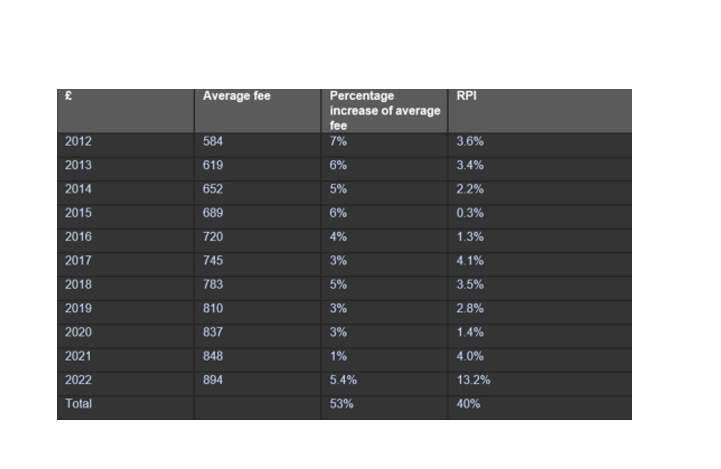
We have analysed the statistics published on the Cremation Society website. These reveal that cremation fees increased substantially faster than RPI over the years between 2012 and 2020 but the last 2 years have seen them fall behind.


A direct cremation, the no frills, cheaper cremation option, formed around 18% of all cremations in 2022. According to Sun Life, the average cost of a direct cremation in the UK is circa £1,500 whereas a standard cremation funeral is approaching £3,700. Both cost around 2.5% less than the previous year but are still cheaper than a burial funeral at nearly £4,800 despite that falling by a similar annual percentage.

There is a growing interest in the environmental impact of every activity and the generation paying for funerals is actively looking for a low carbon approach. With more interest in the environmental footprint of business, this is an area where the funeral market can look to improve and add value as both burials and cremations have their environmental challenges.

The origin and type of materials used for coffins, and memorials fall to be considered along with the emissions. Cremators in the UK are mainly fuelled by natural gas which we all know produces carbon emissions. Some electric cremators have been installed but these are slower and they are more costly to run and still relatively high users of carbon. There are also concerns regarding the gas released into the atmosphere upon cremation and recycling of waste, particularly metals and contaminants.

Burials, both natural and cemetery, are not without their own concerns. Whilst apparently having lower carbon emissions, there are concerns over the toxic chemicals used for embalming leaching into the soil and water table along with any drug residues.

Nevertheless, whilst the funerals industry has new challenges these are generally welcomed within the industry as a step in the right direction and should enable the bereaved to navigate a most difficult time with less concern over cost and environment.