
Navigating Planning Policy
Following the Covid-19 lockdowns and restrictions on foreign travel, camping and caravanning undoubtedly had a resurgence in the United Kingdom. Following the pandemic, one UK retailer reported that sales of family size tents were up more than 70% on pre‑pandemic levels.
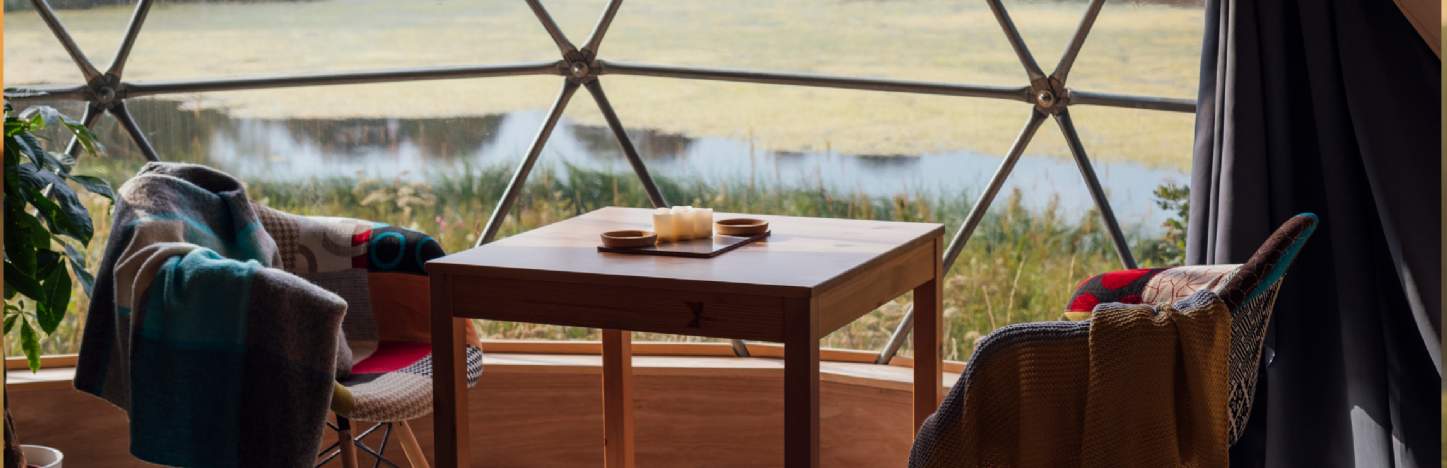
This leaves many businesses and landowners wondering whether they can take advantage of the boom in UK tourism and allow new - or additional - caravanning, camping or glamping to take place on their land.
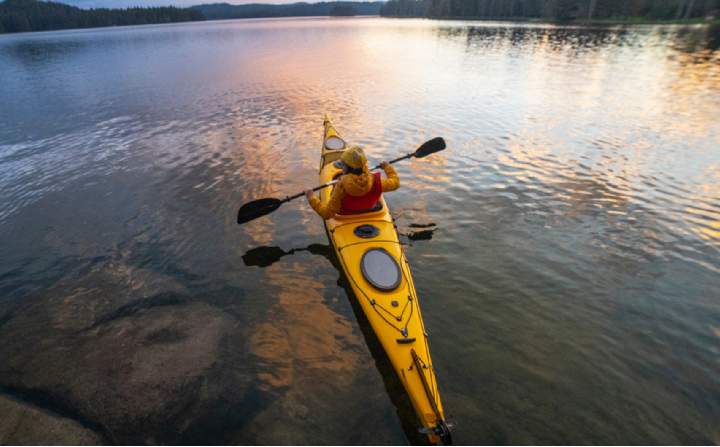
There is a clear market trend in shorter breaks which offer the holidaymaker an ‘experience’, perhaps through a quirky setting within a safari park, or in a cabin within a secluded forest setting. However, the cost of these stays can often be prohibitive for some holidaymakers. Conversely, and particularly in times of economic downturn, camping and caravanning (including caravan rental) can be very resilient, offering customers budget friendly holidays.
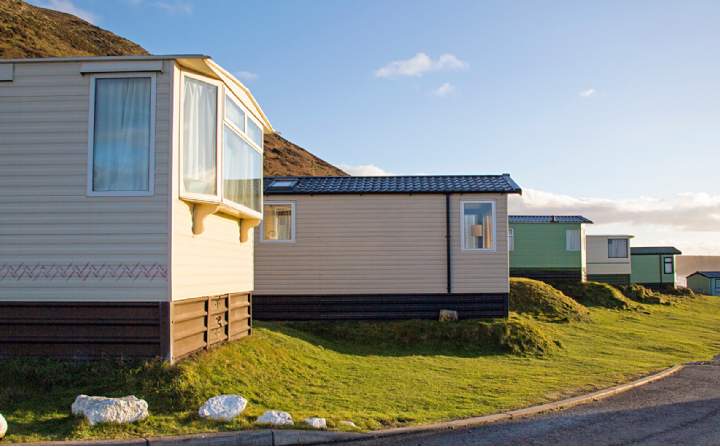


Camping and caravanning sites in the UK range from large sites with hundreds of pitches and associated leisure facilities, to a field which operates for 28 days under permitted development rights. They are typically found in attractive areas popular with tourists within the UK such as National Parks, Areas of Outstanding Natural Beauty and by the coast. These types of designations often come with constraints on development, presenting issues when site operators come forward with planning proposals.
Typical planning proposals on camping and caravanning sites can relate to additional pitches, extensions to existing sites, extended operating seasons to allow sites to remain open longer (even all year) and removal of burdensome limitations that restrict how long a pitch can be occupied by an individual. Camping and caravanning sites are also very popular for opportunistic purchasers, offering the potential to replace tents and touring caravans with static caravans and lodges, subject to planning policy.
When promoting planning proposals for camping and caravanning sites, operators should assess material planning issues such as: visual impact, ecological impact (including Biodiversity Net Gain), impact on the local highway network as well as foul and surface water drainage requirements.
Viability is also a key consideration, with the installation of utilities and services often being a significant cost to the site operator / developer, particularly in rural areas.
However, each site will be unique in its opportunities and constraints, and it is therefore advisable to seek specialist planning advice on your proposals before taking them forward.