
The wedding venue market continues to mature
Sales of individual UK trading wedding venues as going concerns have historically been and remain a rare occurrence, mostly due to the relatively new nature of the market, as well as the impact of Covid-19 on the industry. In many cases, the purchase of wedding venues appears to have been a “heart” rather than “head” business decision, where the location and dream of owning and operating a wedding venue are the primary motivations. This observation is unfortunately evident in the number of wedding venues that close within five years of opening. In recent years, uncertainty around the economy and employment have also affected the behaviour of consumers and investors alike, with a knock-on effect for venues.
Wedding venue sales are on the up
Nevertheless, there has been a notable increase in activity since the start of 2023, with a marked rise in the number of wedding venues coming to the market, often on a confidential basis to protect ongoing bookings. While evidence suggests this may be due to lifecycle of the market, with many venue founders reaching retirement age, it could also reflect a current opportunity to capitalise on strong trading following a post-pandemic bounce.
The emergence of group operators also points to a maturing wedding venue market. Evidence from recent sales shows interest has mainly come from existing wedding and event venue operators looking to expand their portfolio. These tend to be more sophisticated investors who are looking to aggregate and streamline owner-operated businesses. By combining operations, investors can, to a degree, mitigate cost pressures through group purchasing power and economies of scale, and improve their ability to attract and retain staff through career development.

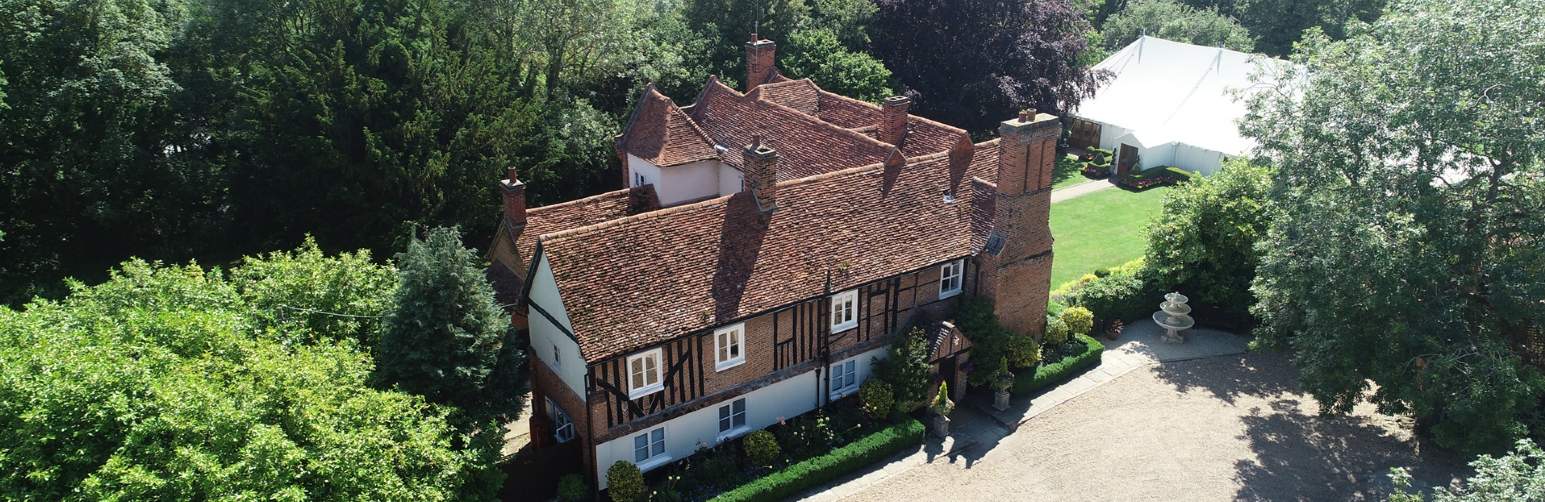
Newland Hall, Chelmsford
The rise of group operators
Existing operators favour wedding venues where they perceive growth potential, for example, developing new or additional overnight guest accommodation, increasing the number of days available for wedding bookings, improving facilities, and boosting social media presence. The current sale of the Newland Hall wedding and event venue near Chelmsford, Essex, which Savills is instructed to handle, would confirm these current market trends, with the potential for further development of ancillary buildings on-site broadening its market appeal.
While there is a relatively limited number of corporate buyers in this market compared to other leisure sub-sectors, that number is rising, and corporates may find they face more competition in purchasing than before. This could result in prices starting to strengthen after a levelling-off following that post-Covid spike in demand. However, we expect that any increases will be modest and dictated by the specific business model adopted by the potential purchaser.
Our wedding venue market predictions
We expect to see some consolidation in the market as the groups expand their portfolios. We anticipate that this expansion will predominantly happen through purchasing existing wedding venues rather than setting up new ones, as the risks and costs associated with taking on an established venue are likely to be considerably less. Some areas of the country are arguably reaching saturation point, particularly with the long-term trend of a decline in the number of weddings booked each year. However, buyers will take into account unused land or buildings that don’t directly relate to the current business operation, and enhance their bid where they consider added value can be delivered through additional facilities such as accommodation, nightclubs and separate bride-and-groom preparation rooms.
On the whole, while wedding venues are a passion project for many, in an evolving and ever-more sophisticated market, their potential in property terms makes them an exciting place to be.