
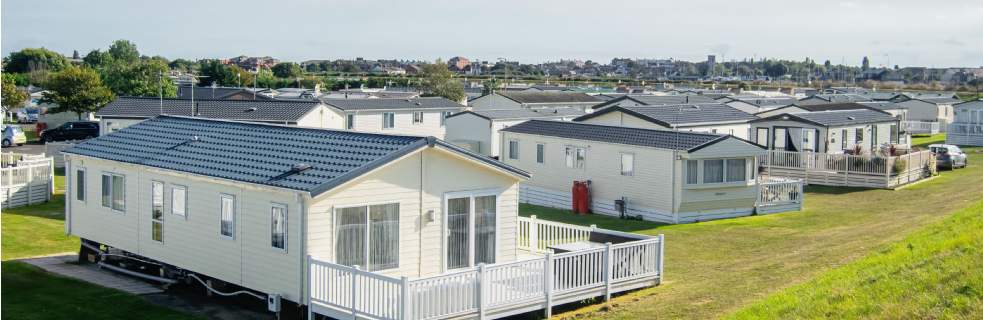
How holiday and residential parks are handling a volatile market
The first half of 2025 has shown encouraging signs in both the volume and frequency of sales across holiday and residential parks. Demand has remained steady, as has the supply of parks coming to market. Park owners appear to have accepted that prices have adjusted downward since the post-pandemic boom. While a few overpriced parks continue to linger on the market, they are far less common than in 2024.
Most market activity has been concentrated in the £1–3 million price bracket. However, there is strong evidence that larger parks are once again attracting interest, particularly from multi-park owners and private equity investors. This shift suggests that autumn 2025 could see a notably active period of transactions.
Challenges for the old and the new
New entrants to the market continue to face resistance when raising finance. Many banks have adopted a cautious approach to evaluating opportunities in the leisure sector, structuring lending based on closed-market conditions – hindering newcomers’ attempts to remain competitive.
Unsurprisingly, after such a volatile market, there have been casualties. Forced sales have seen long-dormant bargain hunters re-entering the market. Despite this, prices have remained resilient and show no clear signs of softening – much to the frustration of opportunistic buyers. More established residential parks are particularly continuing to enjoy strong demand.
Conversations with park operators reveal a wide range of perspectives and experiences. It is therefore challenging to see consistent trends or draw broad conclusions across the sector. One consistent theme, however, is the ongoing difficulty in selling premium units – an issue that does not appear to be improving.
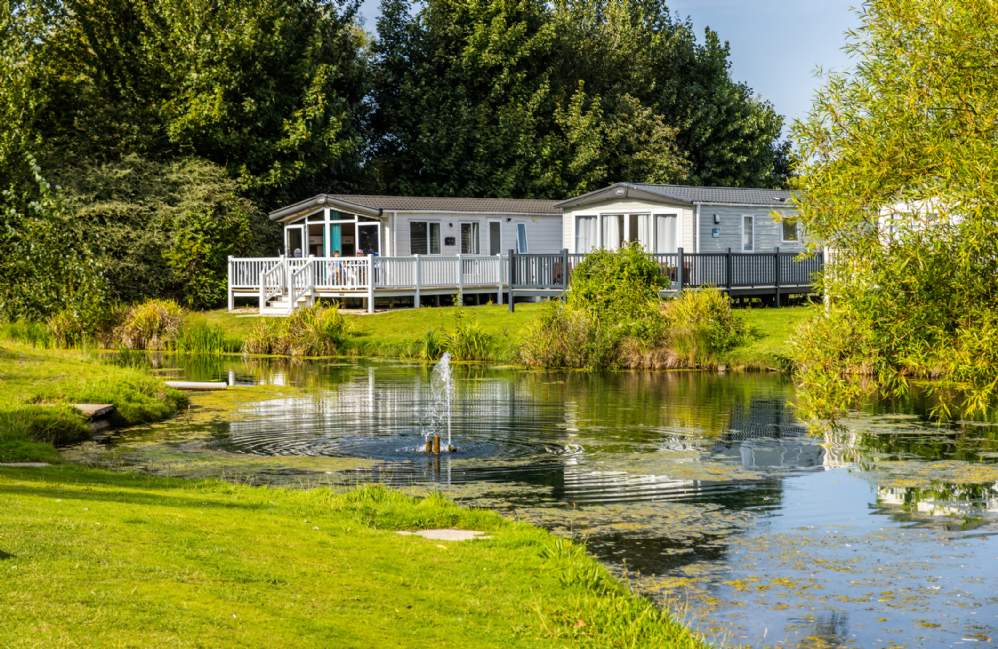
Rising regulations and transport costs
A key area of disruption is the rise of action groups within both the holiday and residential sectors, advocating for regulatory changes. This push likely stems from the post-pandemic surge in premium-price caravan and lodge buyers who are inexperienced in acquiring depreciating assets of this nature.
Although the industry boasts over a century of history, with the oldest association, marking its 85th anniversary this year, the call for greater regulation is largely unwelcome within the sector. Well-intentioned park owners may be discouraged from entering the market with increased regulation, while rogue operators often continue to find ways to exploit vulnerable holidaymakers and residents.
Transportation costs for caravans and lodges over 12 feet wide have also risen sharply, due to the requirement for police escorts in some local authorities. Combined with increased build costs and reduced sales frequency, this is impacting how park operators plan future developments to improve profitability.
While the holiday and residential park markets face ongoing challenges, the overall outlook for 2025 remains optimistic. Market activity continues to show resilience, with steady demand, particularly for established holiday and residential parks, and renewed interest from larger investors signalling confidence in the sector’s long-term potential. Park operators are responding to these shifts by refining development strategies and embracing innovation, which will help enhance profitability and sustainability moving forward.
With a century of industry experience behind it and growing professionalism among operators, the sector is well-positioned to adapt and thrive amid evolving market dynamics and regulatory landscapes.