
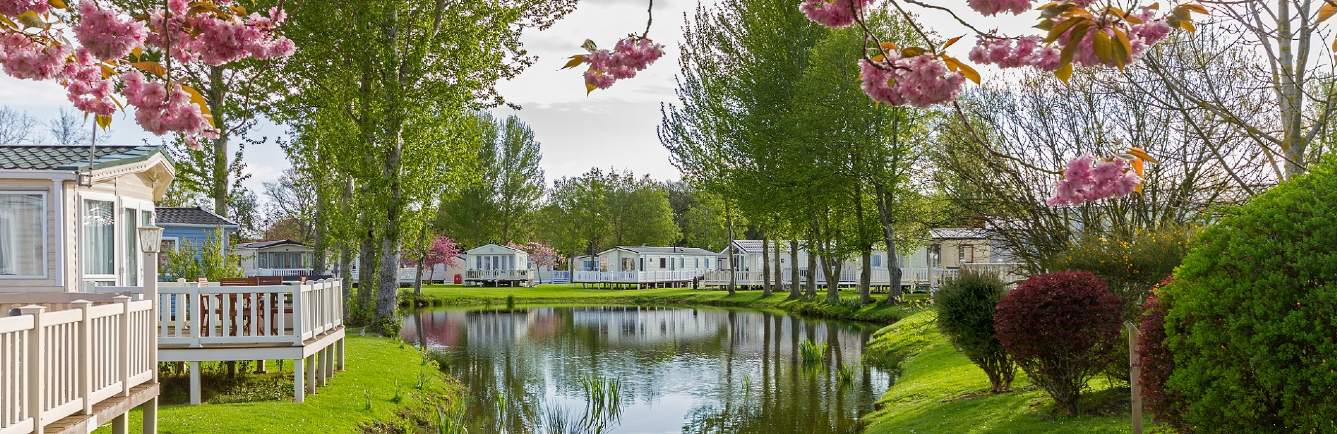
The holiday park market has seen significant fluctuations since 2020, moving from a period of unprecedented growth to one of notable decline – and now, hopefully, stabilisation.
As we approach the end of the 2024 season, many operators are reporting that it has had its challenges – which have been compounded by major sporting events like the Olympics and the Euro Championships. Historically, seasons dominated by large sporting events tend to draw potential holidaymakers’ attention elsewhere, leading to a decrease in domestic travel and a reduction in summer holiday bookings. Despite these challenges, the inherent resilience of holiday parks continues to make them a favourable investment within real estate. We saw evidence of this during August, when the market distinctly improved, and which begs the question: could this be the ideal time to acquire a holiday park, before parks become the investment of choice again?
Over the past year, the market for holiday parks has seen a cautious approach from buyers. Many have been diligently searching for the right investment, but few have taken the decisive step to purchase. This reluctance has partly been due to the increased cost of raising finance and waiting for rates to decrease. For some, it has been the reduced stock – as vendors bide their time until market conditions improve, and for the minority it could be due to an unrealistic search for a perfect opportunity.
Traditionally, August is a quieter month in the buying calendar, as both sellers and potential buyers are preoccupied with the day-to-day operations of their parks. However, this past August presented a shift in the market. The further reduction in interest rates, from 5% to 4.75%, has sparked renewed confidence. Banks were quick to respond, resulting in a noticeable uptick in market activity – with more holiday parks being placed under offer.
There are clear signs that buyers are now more engaged and serious about purchasing, rather than merely browsing. Not only that, there’s a growing recognition that the market may become increasingly competitive, heightening the risk of missing out on prime opportunities at attractive prices.
In conclusion, the holiday park market is at a pivotal point where both challenges and opportunities are on the table. While recent years have seen a cautious approach from buyers due to market fluctuations, rising finance costs, and limited stock – the tide appears to be turning. The slight reduction in interest rates has injected renewed confidence into the market, leading to increased activity and a sense of urgency amongst potential buyers.
As the market shows signs of stabilising and competition between buyers increases, now could be the time invest in a holiday park. Those who act decisively could secure prime properties before the market fully rebounds and prices rise.