
The Leisure sector was one of the hardest hit by the pandemic with many businesses being forced to close their doors for months at a time. As we return to ‘business as usual’ there is a new challenge that leisure operators must meet, and that is sustainability. A recent BCG survey found that following the pandemic, consumers are now more willing to change their behaviours and increase spending to back sustainable agendas.1 This article outlines some of the ways garden centres, hotels and wedding venues can strive to meet ‘green’ standards in a transformational recovery whilst enhancing financial security across the sector.
The pandemic resulted in many people exploring and developing relationships with nature as well as highlighting the negative impact that humans can have on the planet.
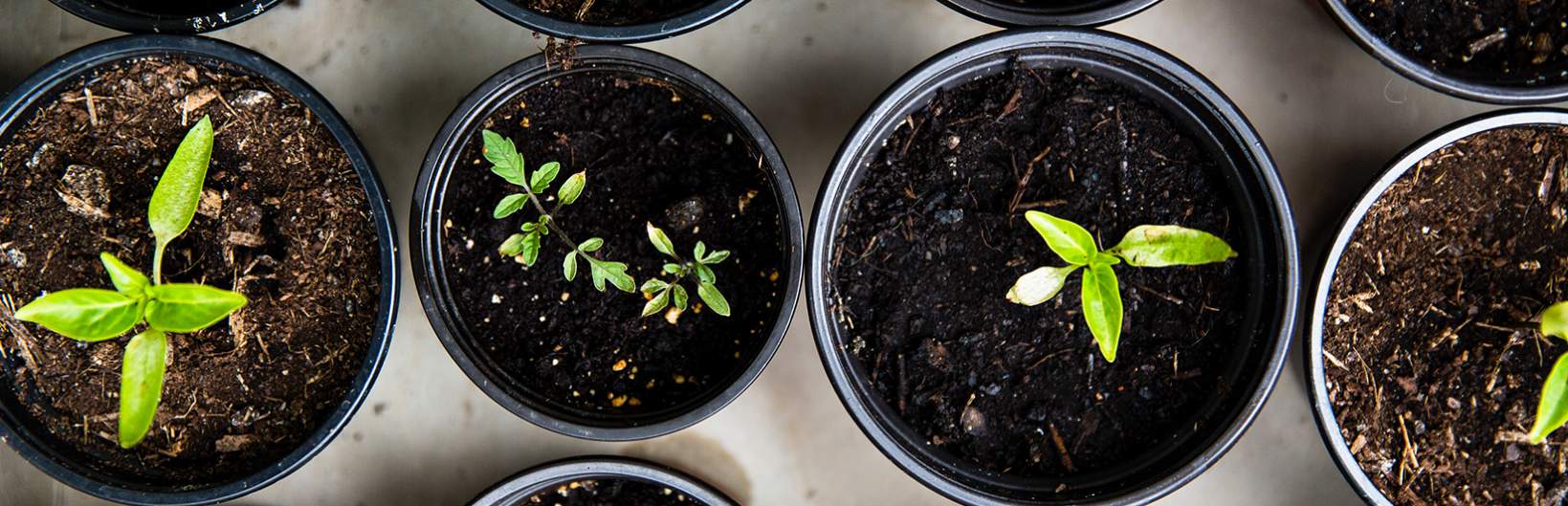
For instance, gardening can have a positive impact on many aspects of sustainability such as health and wellbeing, and biodiversity – and over 7 million people have taken it up since the pandemic, assisted by garden centres being one of the few leisure providers that largely remained open. 2 However, the nature of garden centre operation and supply chain can be very energy and water intensive – responding to consumer demand, a growing number of garden centres are disclosing sustainability commitments although there is as yet no formalised reporting, disclosures or benchmarks.
It is often the natural attractions, such as beaches, mountains and wilderness that draw people to visit a location. As consumer awareness of nature increases, hotel operators are striving to have a positive impact on the local lives, places and economies. Recognising this, The Sustainable Hospitality Alliance was formed in 2020 to help to deliver a sustainable recovery from the pandemic - it has brought together 18 hotel companies that account for 30% of the global hotel industry.3 Other moves towards meeting the sustainability agenda include the emergence of hotel specific reporting such as booking. com’s Sustainable Travel report and the Cornell Hotel Sustainability Benchmarking Index, all inviting hotel operators to step up to the challenge.
Looking at wedding venues, social gathering restrictions resulted in considerable business disruption. Many couples are only now embarking on their long-delayed occasion and as part of their planning, it is estimated that more than twothirds will incorporate eco-conscious elements.4 Hayne House in Kent is an example of a wedding venue aiming to provide customers with a guiltfree experience. They have joined the United Nations Race to Zero Campaign and have been certified by the Sustainable Wedding Alliance.5 As customers increasingly seek eco wedding choices, venues can increase their popularity through minimising negative environmental impacts.
Sustainability is now a priority for institutional investors and corporations are being held increasingly accountable by their shareholders for performance in this area. In addition, sustainability can be viewed as a tool for post-pandemic recovery in order to improve longterm financial security. With the rising costs of energy and water, utility efficiency measures provide both environmental and financial gains for businesses.
Leisure operators are increasingly looking to develop robust sustainability strategies which not only reflect concerns over the environment and climate, but also assist wellbeing and community cohesion, thereby supporting social sustainability.
1 https://www.bcg.com/publications/2020/ pandemic-is-heightening-environmental-awareness
2 https://www.mind.org.uk/news-campaigns/news/ over-7-million-have-taken-up-gardening-since-thepandemic- new-research-shows-spending-more-timein- nature-has-boosted-nation-s-wellbeing/#_ftn2
3 https://sustainablehospitalityalliance. org/about-us/what-we-do/
4 https://www.theknot.com/content/ eco-friendly-wedding-guide
5 https://haynehouse.co.uk/sustainability/