

CHALLENGE
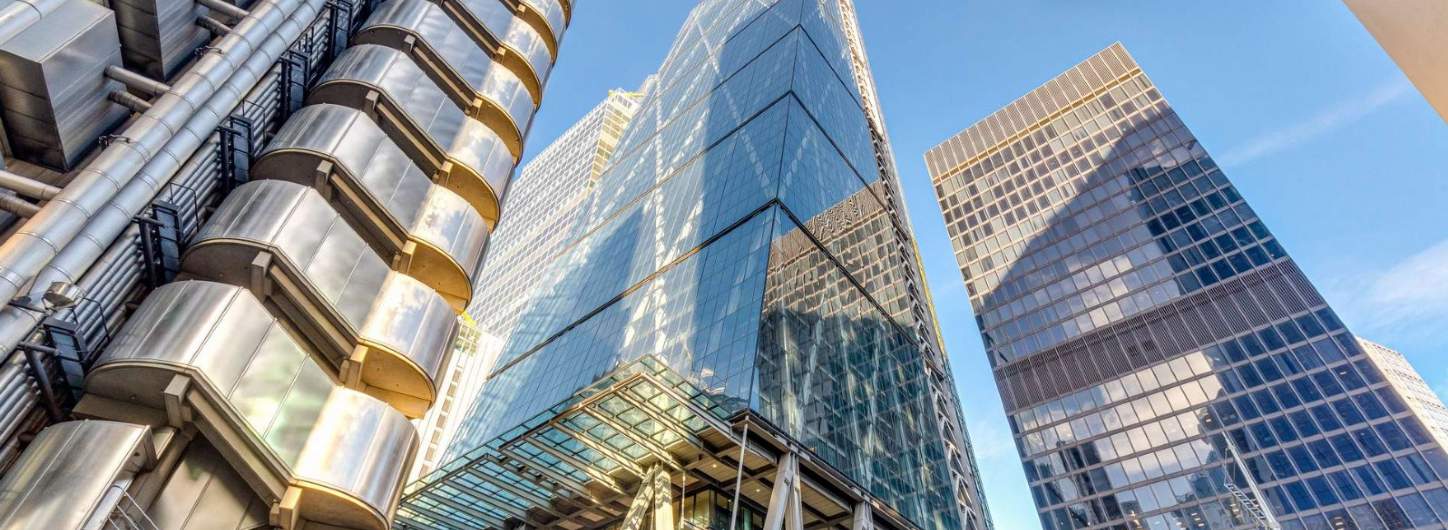
CC Land set out to reduce the energy consumption and carbon emissions of the Leadenhall Building, a landmark in the City of London. The building’s unique characteristics, including its large size, mixed uses, roof plant constraints, and requirement for continuous operation, meant that a standard decarbonisation approach would not be sufficient. A tailored, strategic solution was essential to address both the technical complexities and the client’s sustainability objectives.

SOLUTION
Savills Earth was appointed to develop a decarbonisation pathway for the asset. The team conducted a thorough site visit and review of building design information, metered energy consumption, maintenance and operation practices. Using this data, we developed a ‘digital twin’ through Dynamic Simulation Modelling to estimate the building’s operation, benchmark against real-world data, and establish the current EPC rating. We then developed a bespoke decarbonisation pathway, addressing optimisation opportunities in building services, fabric and operation while taking in consideration the equipment age, building complexity, costs, ease of implementation, service charge recoverability and the Client’s sustainability aspirations.

RESULTS
The outcome was a comprehensive pathway, detailing each step of the pathway, including improvements in building services efficiencies, optimisation strategies, fabric performance, associated costs and a suggested implementation timeline. This work not only future-proofs the building and retains the EPC B rating for the next ten years but also serves as valuable material to attract new tenants and enhance investment returns.