New towns must be more than housing targets
Urban design sits at the heart of this mission. These new towns must be more than just housing targets – they must be places that foster resilience, adaptability and, above all, sustainability. Therefore it’s crucial we avoid replicating rigid models and design codes that risk creating homogenous, nostalgic enclaves. Instead, we should be championing contemporary models of living: flexible, blended buildings that evolve with and can adapt to changing lifestyles and needs.
One of the most pressing design considerations is density. If we are serious about creating towns that support public transport and reduce car dependency, we must move beyond the low-density norms of 38 - 45 dwellings per hectare.
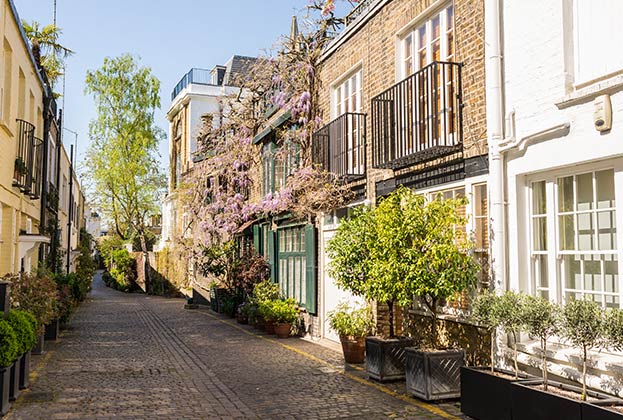
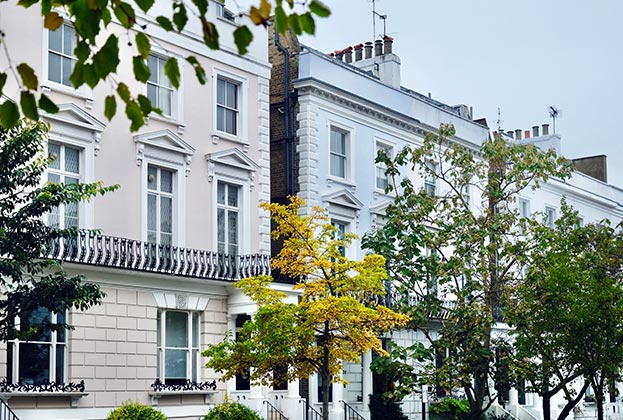
Higher, gentle densities with a tighter urban grain – particularly those on the edges of existing towns and cities – can foster walkable, human-centric environments. These patterns not only support local economies but also encourage vibrant, socially cohesive communities.
Equally important is how we build. The materials and methods we choose will define the environmental legacy of these places. Modern Methods of Construction (MMC), Cross-Laminated Timber (CLT), and even locally grown materials like hemp offer exciting possibilities. But we must think beyond the buildings themselves. Energy systems, renewables and waste management strategies should be embedded from the outset. Places and neighbourhoods like Malmö and Hammarby in Sweden, and Freiburg in Germany have shown what’s possible when sustainability is the starting point and not an afterthought. Aspern Seestadt in Vienna, Austria, is one of Europe's largest urban development projects and is another good example.
.jpg)
.jpg)