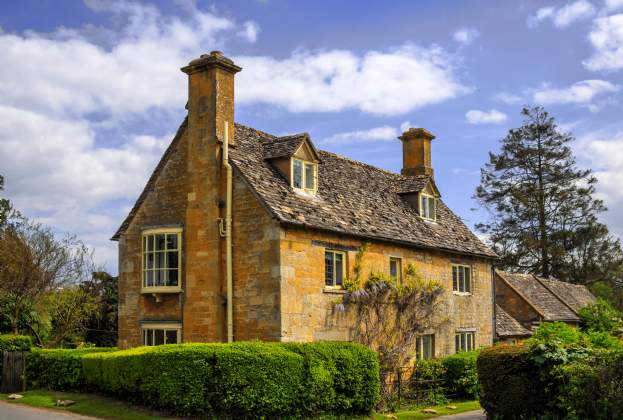
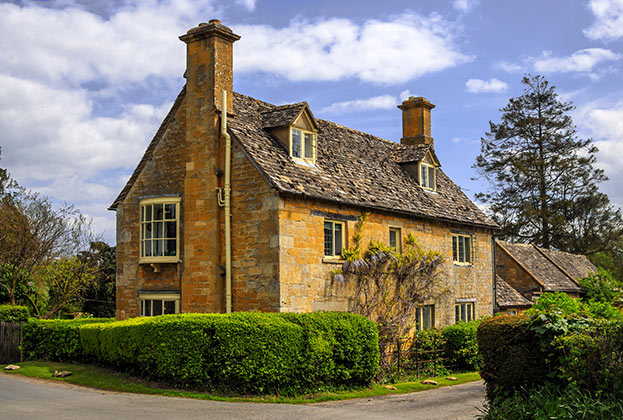
The aim is to keep rural housing affordable for agricultural workers. It also allows planning to be granted where there is a proven requirement for an agricultural dwelling, often where a normal application is likely to be rejected.
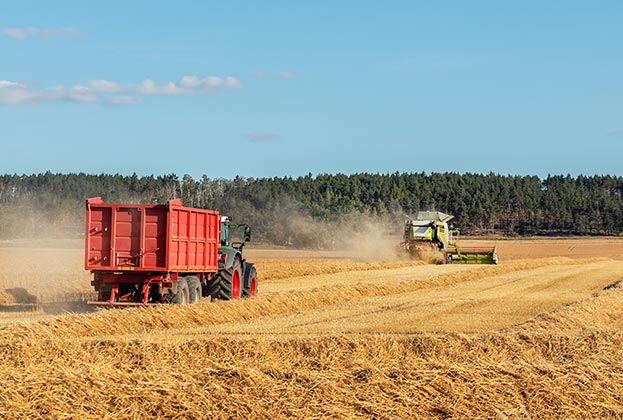
Agricultural occupancy conditions have been in existence since after the Second World War and the wording has been tightened up over the years in order to close loopholes. These days, it is usually the occupier’s primary income that has to be derived from agriculture or associated employment, such as forestry.
The value of an ag-tied home is generally 25-30 per cent lower than that of an unencumbered property. This can diminish if the wording of the tie is less onerous or if the condition has been altered, for example to include the equestrian sector.
With changing farming practices and a need for less labour, there are occasions where a property may no longer be required for agricultural use. Therefore in some cases, it may be possible to have the tie removed and there are procedures in place to facilitate this.
Further information
Contact Henry King or Jamie Elbourn
Contact Savills Rural Services
.jpg)
.jpg)